
20000+
Land Area
500,000+t
Shipment Volume
30+Year
Experience
ISO9001
ProfessionalCertification
We strive to become a trusted partner for our customers and a place of growth and happiness for our employees.
Guided by our core values — Integrity, Determination, Innovation, and Altruism — we move forward with purpose, passion, and responsibility to create a better future together.
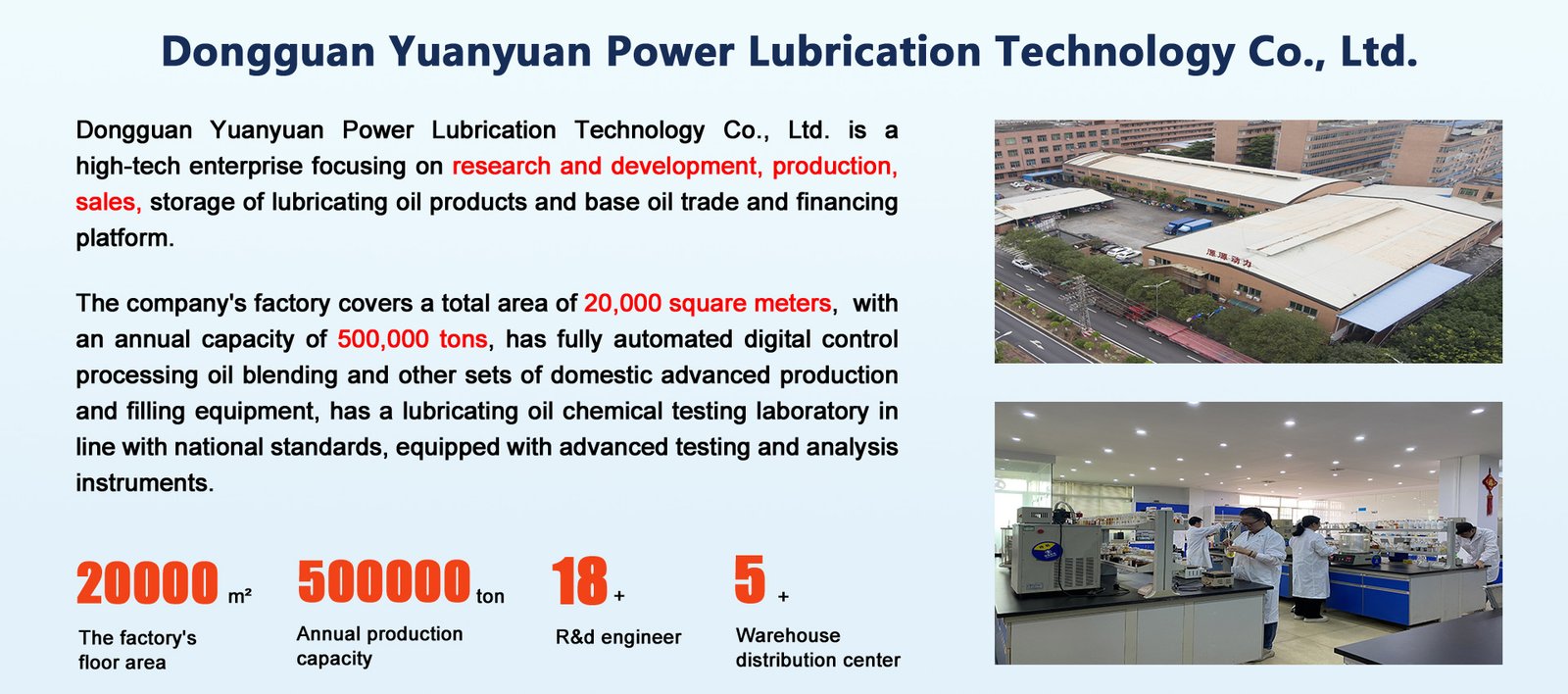
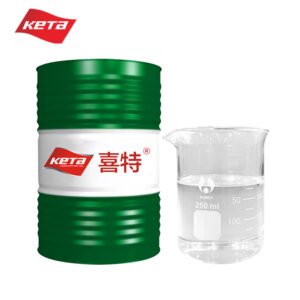
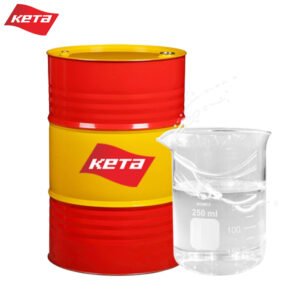
The product range is extensive, covering various industrial lubricants, synthetic isoparaffins, dearomatized hydrocarbon solvents, automotive engine oils, mineral oils, cosmetic raw materials, metalworking fluids, and other chemical fields.
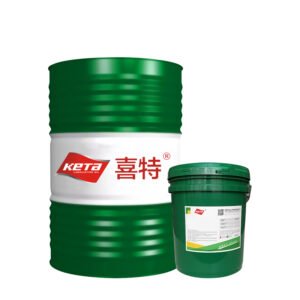
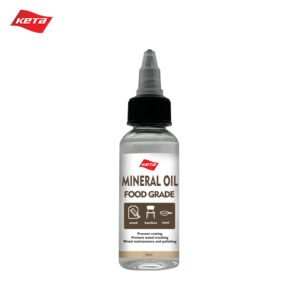
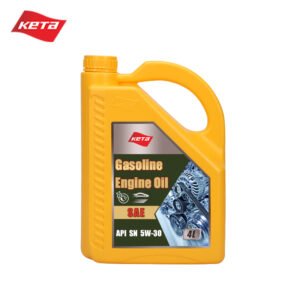
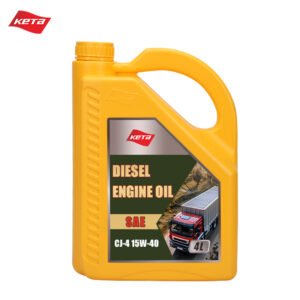
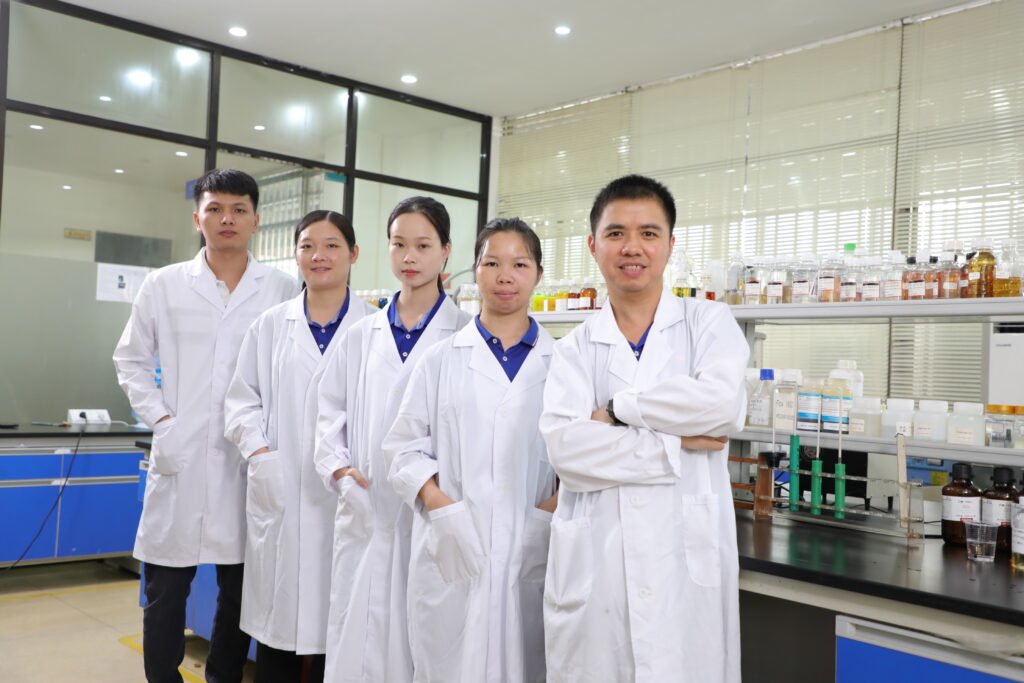
A passionate and responsible team, built on integrity and driven by innovation — growing together with our customers and partners.
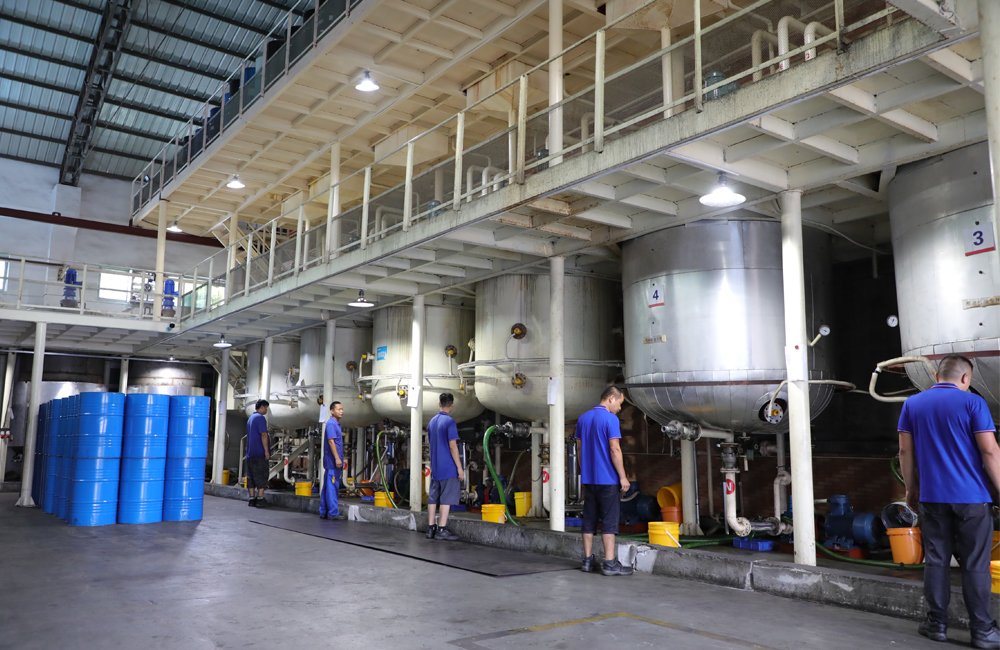
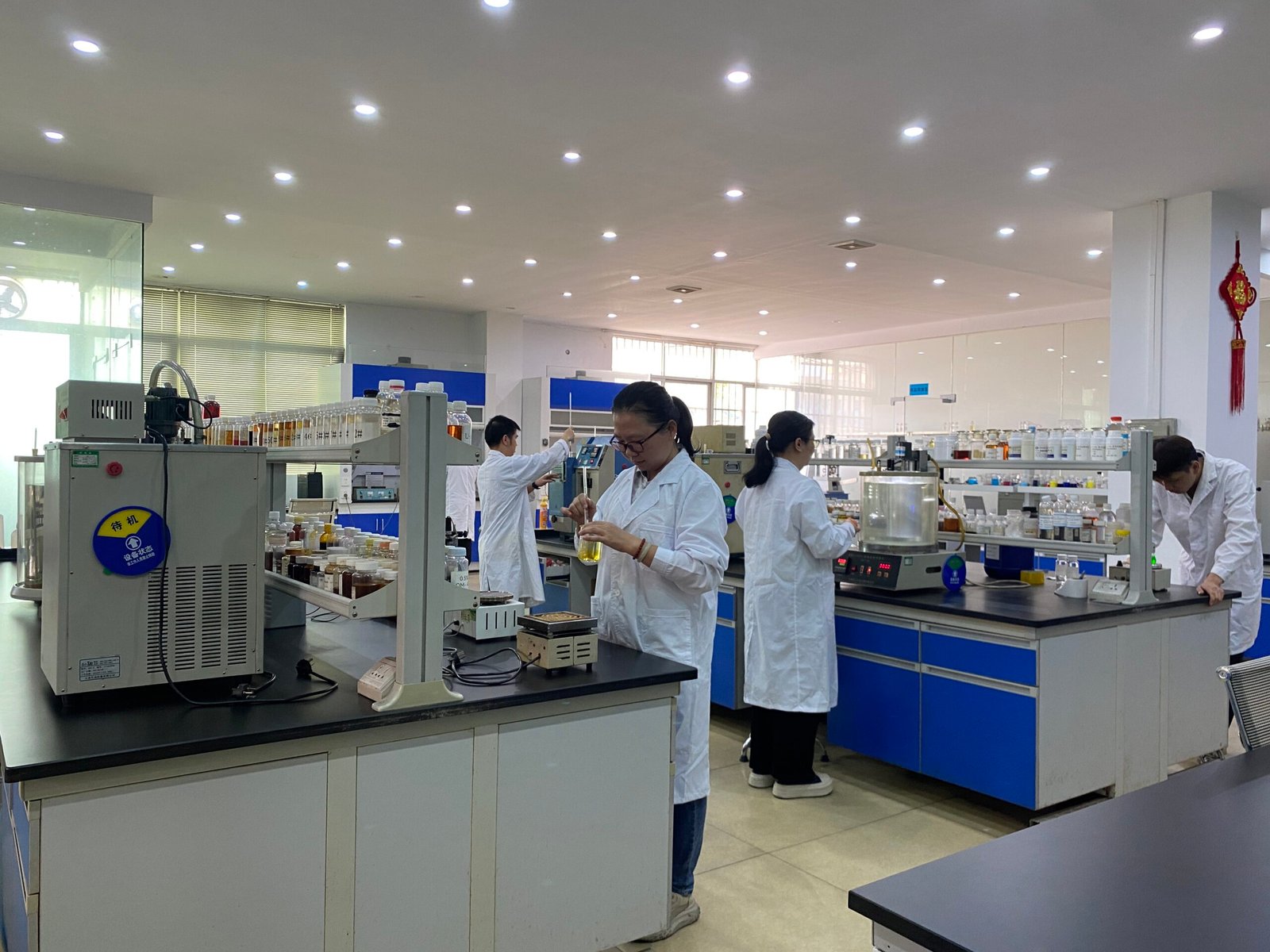
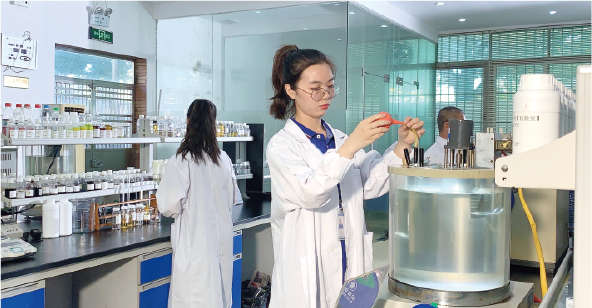
Here you’ll find company news, product launches, industry insights, and innovation updates that drive our progress. We believe in sharing value and staying connected with the world — because every step forward is worth knowing.

The automotive industry is undergoing a monumental transformation driven by the demand for lightweight, fuel-efficient, and connected vehicles. At the heart of this evolution is injection molding, a pivotal manufacturing process for producing a vast array of high-precision, complex plastic components. From interior trim to structural body parts, injection-molded components are ubiquitous. This guide delves into the core aspects of automotive injection molding, exploring the selection of high-performance materials, the application of advanced molding processes, and the innovative joining solutions provided by technologies like the hot plate welding machine, vibration welding machine, and ultrasonic welding machine. The Critical Role of Injection-Molded Components in Modern Vehicles Modern cars contain hundreds of injection-molded parts, accounting for a significant portion of the vehicle's total weight. Their importance stems from several key advantages: Lightweighting: The low density of polymer materials compared to metal drastically reduces vehicle weight, leading to improved fuel efficiency for gasoline vehicles and extended range for electric vehicles. Design Freedom: Injection molding allows for the creation of complex, multi-functional parts in a single step, simplifying assembly and reducing manufacturing costs. Functionality Integration: Multiple functions, such as mounting brackets, ducts, and seals, can be integrated into a single molded part,

The Evolution of Polymer Applications in Modern Automotive Interiors 1.1. How Advanced Polymers Revolutionized Automotive Interior Design (2025 Data) Automotive interior plastic parts have undergone a remarkable transformation over the past decade, with engineered polymers now dominating material selection across vehicle segments. This evolution represents a fundamental shift in how manufacturers approach interior design, balancing performance requirements with increasingly stringent sustainability mandates while creating lighter, more durable car interior components. 1.2. Current State Analysis: Automotive Interior Plastics in Premium to Mass-Market Vehicles According to IHS Markit's "2024-2025 Automotive Materials Outlook," [Source: IHS Markit, 2024] plastic parts now constitute approximately 60% of the weight share in modern vehicle interiors, a significant increase from 42% just a decade ago. This transition spans all market segments, though with notable variations in implementation. Premium manufacturers like Mercedes-Benz and BMW have pioneered high-performance polymer applications, particularly in structural components, while mass-market producers have focused on cost-effective solutions that maintain adequate performance metrics. Material distribution analysis reveals polypropylene (PP) dominates at 32% of interior plastics by weight, followed by polyurethane (PU) at 17%, and acrylonitrile butadiene styrene (ABS) at 14%. Recent SAE technical papers (SAE 2024-01-0456) [Source: Society of Automotive Engineers, 2024] document accelerating adoption of

The Evolution of Polymer Applications in Modern Automotive Interiors 1.1. How Advanced Polymers Revolutionized Automotive Interior Design (2025 Data) Automotive interior plastic parts have undergone a remarkable transformation over the past decade, with engineered polymers now dominating material selection across vehicle segments. This evolution represents a fundamental shift in how manufacturers approach interior design, balancing performance requirements with increasingly stringent sustainability mandates while creating lighter, more durable car interior components. 1.2. Current State Analysis: Automotive Interior Plastics in Premium to Mass-Market Vehicles According to IHS Markit's "2024-2025 Automotive Materials Outlook," [Source: IHS Markit, 2024] plastic parts now constitute approximately 60% of the weight share in modern vehicle interiors, a significant increase from 42% just a decade ago. This transition spans all market segments, though with notable variations in implementation. Premium manufacturers like Mercedes-Benz and BMW have pioneered high-performance polymer applications, particularly in structural components, while mass-market producers have focused on cost-effective solutions that maintain adequate performance metrics. Material distribution analysis reveals polypropylene (PP) dominates at 32% of interior plastics by weight, followed by polyurethane (PU) at 17%, and acrylonitrile butadiene styrene (ABS) at 14%. Recent SAE technical papers (SAE 2024-01-0456) [Source: Society of Automotive Engineers, 2024] document accelerating adoption of

The Evolution of Polymer Applications in Modern Automotive Interiors 1.1. How Advanced Polymers Revolutionized Automotive Interior Design (2025 Data) Automotive interior plastic parts have undergone a remarkable transformation over the past decade, with engineered polymers now dominating material selection across vehicle segments. This evolution represents a fundamental shift in how manufacturers approach interior design, balancing performance requirements with increasingly stringent sustainability mandates while creating lighter, more durable car interior components. 1.2. Current State Analysis: Automotive Interior Plastics in Premium to Mass-Market Vehicles According to IHS Markit's "2024-2025 Automotive Materials Outlook," [Source: IHS Markit, 2024] plastic parts now constitute approximately 60% of the weight share in modern vehicle interiors, a significant increase from 42% just a decade ago. This transition spans all market segments, though with notable variations in implementation. Premium manufacturers like Mercedes-Benz and BMW have pioneered high-performance polymer applications, particularly in structural components, while mass-market producers have focused on cost-effective solutions that maintain adequate performance metrics. Material distribution analysis reveals polypropylene (PP) dominates at 32% of interior plastics by weight, followed by polyurethane (PU) at 17%, and acrylonitrile butadiene styrene (ABS) at 14%. Recent SAE technical papers (SAE 2024-01-0456) [Source: Society of Automotive Engineers, 2024] document accelerating adoption of
We are qualified and for services
We’re always ready to listen, support, and collaborate. Whether you’re looking for technical solutions, product information, or long-term partnership opportunities, our team is here to help.